GoodWeighFinds is for general information only and is not medical advice. Readers should talk with a qualified healthcare professional before starting weight-loss products, supplements, diets, or exercise changes.
Editorial method
How We Check Weight Loss Product Claims
Weight-loss products often sound simple online: a tea, tracker, powder, belt, bottle, or routine claims to make progress easier. GoodWeighFinds treats those claims as starting points, not proof.
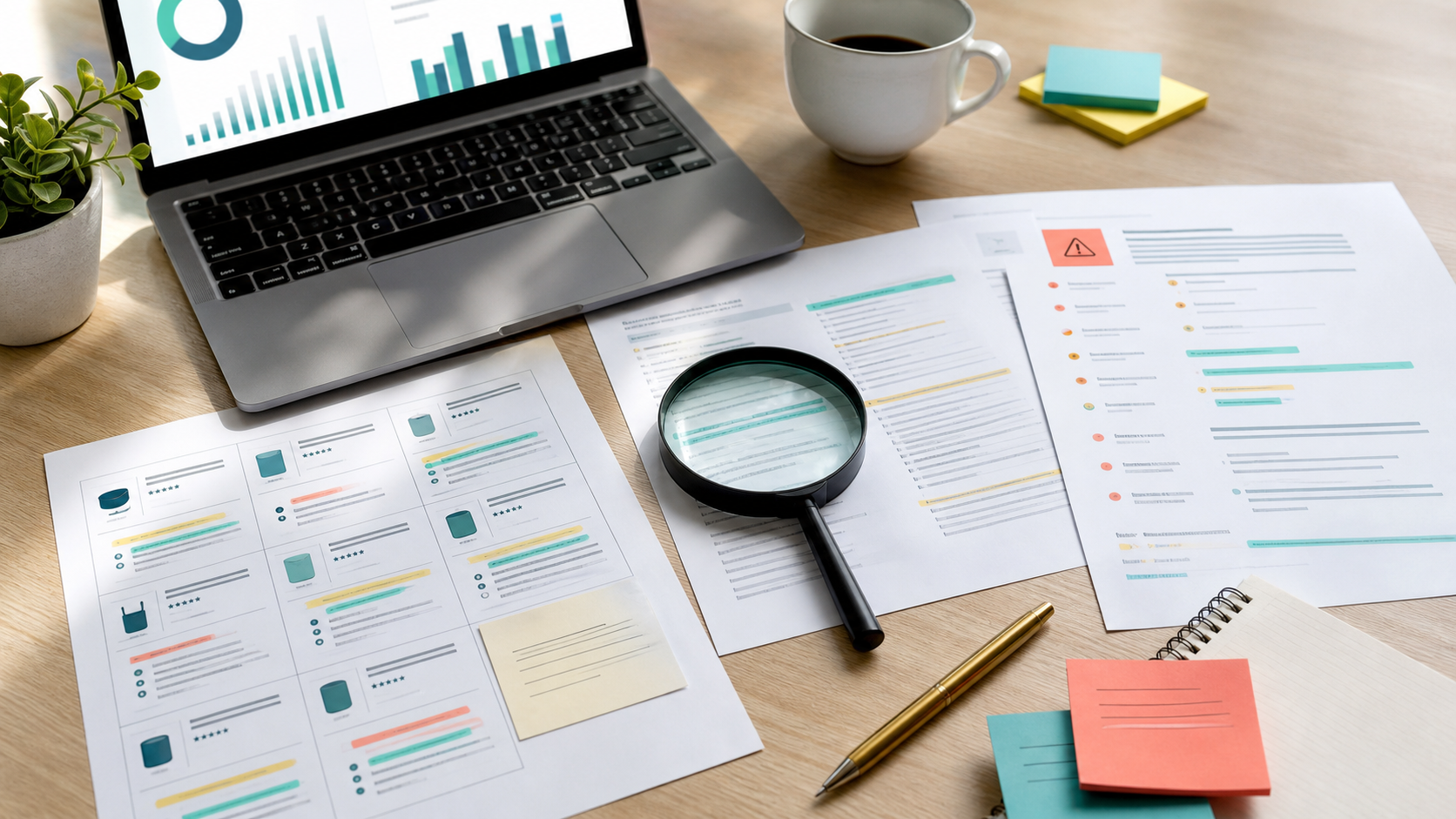
1. We separate categories before products
Some categories can support routines without making medical claims: food scales, meal-prep containers, walking gear, water bottles, journals, kitchen tools, and habit trackers. Other categories need much more caution, especially supplements, stimulants, detox products, appetite claims, patches, and anything promising fast body changes.
2. We flag claims that sound too strong
- Guaranteed pounds lost in a short timeline.
- Claims that a product melts fat, blocks calories, detoxes weight, or replaces professional care.
- Before-and-after imagery used as proof for everyone.
- Customer reviews presented as verified clinical evidence.
- Free trials, recurring shipments, or confusing cancellation terms.
3. We look for safety signals
Before recommending a weight-loss product category, the SiteManager should check FDA weight-loss product notifications, recall signals, FTC guidance, and obvious ingredient-risk language. If a product appears on a safety alert or makes extreme claims, it should not be recommended.
Public sources we use for claim context
GoodWeighFinds does not treat a marketplace listing, customer review, or influencer post as proof. When a product raises health-adjacent concerns, these public resources help frame the risk check before any positive coverage is considered:
- FDA weight-loss product notifications for warning signs around tainted or illegally marketed products.
- FTC health products compliance guidance for advertising and evidence standards.
- FTC consumer advice on weight-loss ads for common red flags in miracle-style promotions.
Those sources still do not make this site medical advice. They help us decide when a claim needs warning-first coverage, escalation, or no recommendation at all.
4. We keep advice general
GoodWeighFinds can talk about common routines, product research, and practical tradeoffs. It should not tell a reader what supplement, diet, medication, workout, or treatment is right for their body. Readers with medical conditions, medications, pregnancy, eating-disorder history, or major diet changes should talk with a qualified healthcare professional.
5. We explain why something is included
A useful product mention needs a clear job: tracking, organizing, cooking, walking, hydration, portion awareness, or habit consistency. If the only reason to mention a product is that people claim it causes weight loss, it needs a warning-first review, not a recommendation.
Starter note: Future articles should add current product-specific evidence, affiliate-link QA, and source checks before publication.