If you are trying to understand portions more clearly, a kitchen scale can be useful. It can also become one more thing that promises more than it can deliver. A scale does not burn fat, fix habits, or make a meal healthier. What it can do is give you a more consistent way to measure ingredients when eyeballing portions feels confusing.
For a broader way to compare low-pressure tools, start with the routine-support tools guide. This checklist narrows that framework to kitchen scales and portion-measurement claims.
Start with the real problem
The best reason to buy a kitchen scale is not because a listing hints at fast weight loss. It is because you want less guesswork around foods that are easy to misjudge, such as cereal, pasta, nuts, oils, baking ingredients, or snack portions.
If the main issue is stress around eating, a history of disordered eating, rapid weight changes, medication side effects, or confusion about what to eat, a kitchen scale is not the right first step. That is a better conversation for a qualified healthcare professional or registered dietitian.
What a kitchen scale can reasonably help with
A basic food scale can support practical habits like following a recipe, comparing serving sizes, dividing meal-prep portions, or learning what common amounts look like. Those are measurement tasks, not medical outcomes.
Evidence-backed guidance here is simple: consistent measurement can reduce guesswork. It does not guarantee weight loss, and it should not be treated as proof that a specific diet, app, or product will work for everyone.
Selection criteria that matter
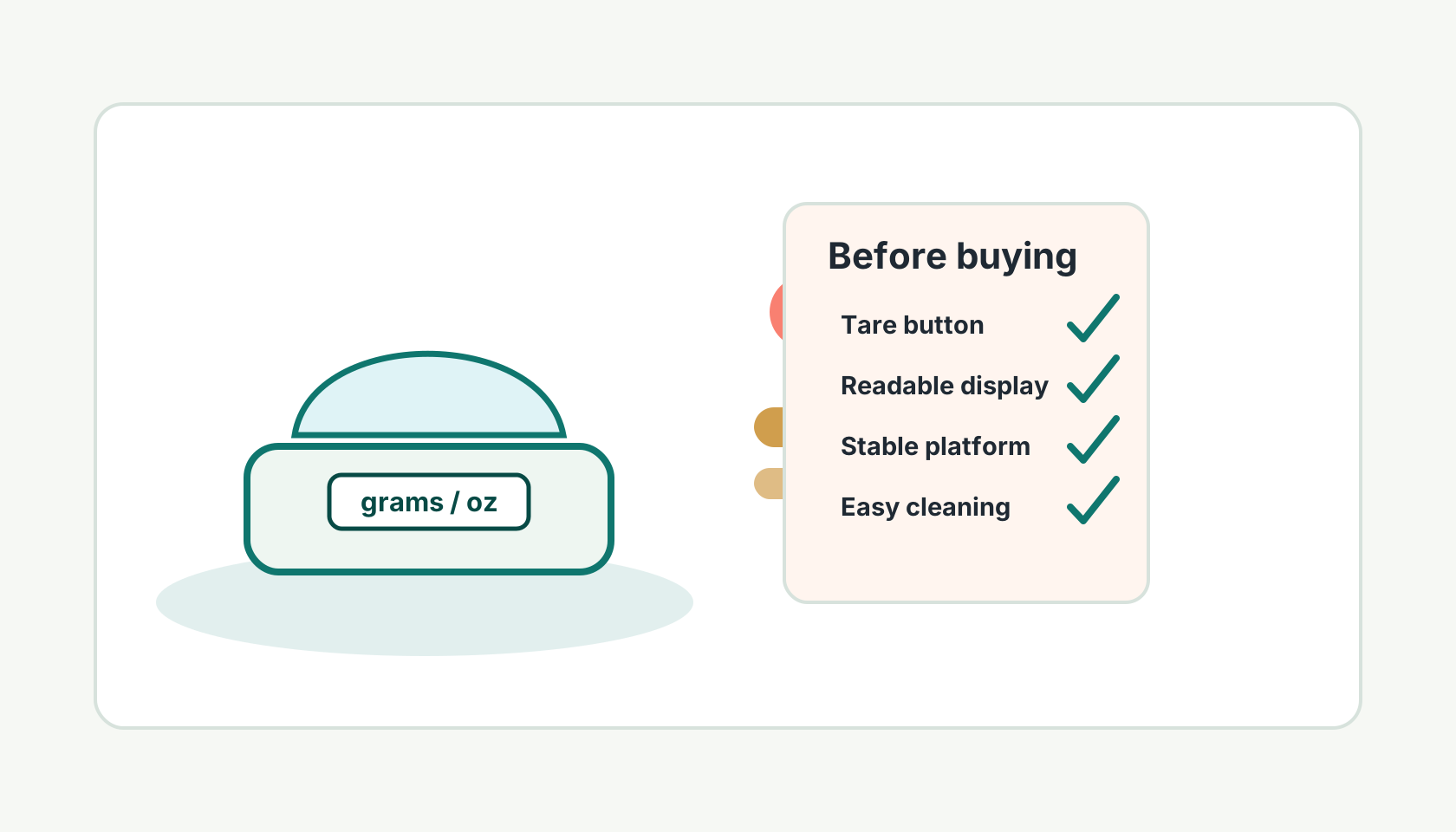
When comparing kitchen scales, prioritize boring reliability over flashy claims. Look for a clear display, simple buttons, grams and ounces, a tare function, a stable platform, and a capacity that fits your normal cooking. For most home kitchens, precision to 1 gram is enough for everyday food tracking and recipes.
Also check whether the scale uses common batteries, whether the surface is easy to wipe clean, and whether the display stays visible when a bowl or plate is on top. These details matter more than weight-loss language in the product title.
Red flags in product listings
Be cautious when a listing suggests that a scale itself causes fat loss, controls appetite, resets metabolism, or delivers transformation results. A measurement tool cannot do those things.
Other warning signs include extreme before-and-after language, pressure-heavy countdown deals, bundles tied to restrictive diet plans, or claims that imply you need constant measuring to eat correctly. Product reviews can describe personal experiences, but they are not proof that a tool will produce the same result for another person.
Useful features versus unnecessary extras
A tare button is useful because it lets you subtract the weight of a bowl or plate. Unit switching is useful if you cook with recipes that use different measurements. A backlit display can help if your kitchen lighting is dim.
App syncing, nutrition databases, and macro calculators may be helpful for some people, but they also add more complexity and more chances for inaccurate entries. If an app-connected scale turns eating into a stressful monitoring loop, that is a sign to pause and reassess.
How to use one without getting rigid
One reasonable approach is to use the scale as a short-term learning tool. Measure a few foods you commonly misjudge, notice what those portions look like in your usual bowls or plates, then decide whether ongoing measuring is actually helpful.
You do not need to weigh every bite for a kitchen scale to be useful. For many adults, the value is in building awareness, not creating another rulebook.
Bottom line
A kitchen scale can be a practical, low-drama tool for portion awareness and recipe consistency. It should be judged as a measuring device, not as a weight-loss product. Skip listings that sell transformation, choose simple features that make cooking easier, and involve a qualified professional if tracking food feels stressful, compulsive, or connected to health concerns.