A Skeptical Buying Guide to Portion-Control Containers for Weight-Loss Meal Prep
GoodWeighFinds is for general information only and is not medical advice. Readers should talk with a qualified healthcare professional before starting weight-loss products, supplements, diets, or exercise changes.
If you are trying to make meals feel less chaotic, portion-control containers can look appealing. They promise structure: one container for protein, one for vegetables, one for snacks, one less decision at 7 p.m. after a long day.
That can be genuinely useful. But the container is not what changes your health. A plastic or glass box cannot guarantee weight loss, fix hunger cues, or make a diet sustainable. The useful question is simpler: will this set help you plan meals in a way you can actually repeat?
For broader context on choosing practical tools without body-result promises, see the routine-support tools guide.
What Portion-Control Containers Can Help With
Good containers can reduce friction. They can make leftovers easier to pack, help you see whether a lunch has enough food to be satisfying, and make snacks more deliberate instead of random. For some people, pre-portioned meals also reduce the habit of eating directly from large packages.
The evidence-backed idea here is not that color-coded containers cause weight loss. It is that environment and planning can influence eating behavior. If a container system helps you prepare balanced meals ahead of time, it may support better consistency. If it makes eating feel rigid, stressful, or overly restrictive, it may backfire.
Selection Criteria That Actually Matter
Before comparing sets, start with your normal meals. A useful container should fit your life, not force you into someone else’s meal plan.
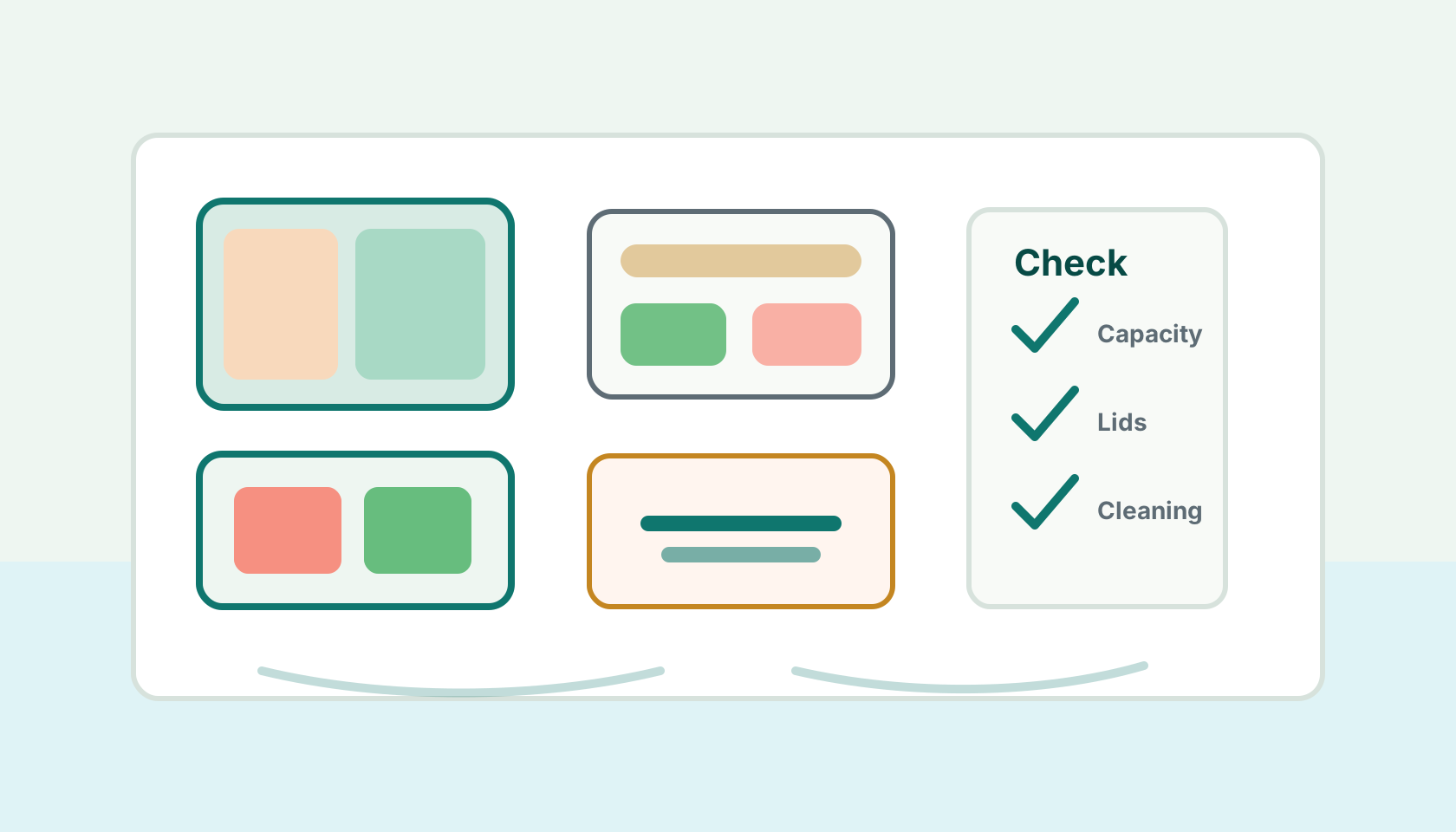
1. Capacity That Matches Real Meals
Some sets use very small compartments and market them as discipline. Be careful. A container that leaves you hungry is not a good habit tool. Look for sizing that can hold a complete meal with enough room for protein, vegetables or fruit, carbohydrates, and fats when appropriate for your needs.
For general meal prep, mixed-size sets are usually more practical than identical tiny boxes. Larger containers work for full meals. Smaller containers can handle sauces, nuts, fruit, chopped vegetables, or leftovers.
2. Clear Measurements Without Diet Hype
Measurement markings can be helpful if you are trying to understand serving sizes. They should be treated as reference points, not rules about what you are allowed to eat. Avoid sets that frame normal portions as moral wins or imply that eating less is automatically better.
3. Material and Use Case
Plastic containers are lighter and usually less breakable. Glass containers are heavier, often easier to clean, and may resist staining better. Stainless steel can be durable but usually is not microwave-friendly. The right choice depends on whether you commute, freeze meals, microwave lunches, wash by hand, or pack food for kids and adults together.
Check manufacturer instructions for microwave, freezer, and dishwasher use. Do not assume every lid can go in the microwave just because the base can.
4. Leak Resistance
If you carry soups, yogurt, dressings, or saucy meals, leak resistance matters more than color coding. Look for locking lids, silicone seals, and product photos that show how the lid is built. Even then, treat leakproof language cautiously. Many containers are leak-resistant only when upright and properly sealed.
5. Ease of Cleaning
A container set you dread cleaning will not become a habit. Watch for complicated lid grooves, seals that trap food, and shapes that are hard to scrub. If the set has removable gaskets, check whether replacements are available or whether the seal is likely to stretch over time.
Red Flags in Amazon Listings
Because portion-control products live near the weight-loss category, some listings lean hard on overpromising. Be wary of products that use any of these angles:
- Claims that the containers will make weight loss automatic
- Before-and-after style promises
- Language that shames appetite, body size, or normal eating
- Extreme calorie-control messaging without context
- “Detox,” “fat-burning,” or “metabolism-boosting” claims attached to ordinary containers
- Meal plans that look overly restrictive or one-size-fits-all
- Pressure tactics around challenges, countdowns, or recurring paid programs
Customer reviews can be useful for spotting broken lids, staining, warping, or leaks. They should not be treated as proof that the containers caused someone’s weight change. Weight changes can involve many factors, and reviews rarely control for them.
Color-Coded Sets vs Plain Meal Prep Containers
Color-coded portion sets can be useful if you like visual structure. They often assign colors to broad food groups, which may help some people build a more balanced plate. The downside is that they can feel rigid, especially if the system treats every person as needing the same amounts.
Plain meal prep containers are more flexible. They work well if you already know the types of meals you want to pack and just need reliable storage. They are also less likely to come wrapped in weight-loss hype.
A practical middle ground is to use plain containers with a simple planning rule: include a satisfying protein source, fiber-rich foods such as vegetables, fruit, beans, or whole grains, and enough overall food that the meal does not leave you chasing snacks out of hunger an hour later.
When Containers Are Not the Right Fix
If meal prep repeatedly turns into strict food rules, guilt, binge-restrict cycles, or fear around normal meals, containers are not the next best purchase. That is a good moment to talk with a qualified healthcare professional, registered dietitian, or mental health professional with experience in eating concerns.
It is also worth getting professional guidance if you have diabetes, are pregnant, have a history of an eating disorder, take medications that affect appetite or weight, or have been advised to follow a medical nutrition plan.
A Practical Buying Checklist
- Choose capacity based on meals you already eat, not a dramatic diet plan.
- Prefer durable lids and simple shapes over complicated systems.
- Check microwave, freezer, and dishwasher instructions before buying.
- Look for leak-resistant construction if you pack liquids or sauces.
- Avoid listings that promise guaranteed weight-loss outcomes.
- Skip products that use shame, fear, or extreme restriction as motivation.
- Use containers as planning tools, not as medical or nutrition advice.
Bottom Line
Portion-control containers can be a useful meal-prep tool when they make ordinary eating easier. The best set is not the one with the boldest weight-loss promise. It is the one that fits your food, your schedule, your cleaning tolerance, and your need for meals that are practical and satisfying.
If a product listing makes the container sound like the main reason weight loss will happen, slow down. Good tools support habits. They do not replace evidence-based care, realistic planning, or professional advice when health questions get complicated.