If you are shopping for a smart scale because you want clearer weight-loss tracking, the hard part is not finding one. It is sorting useful features from claims that sound more precise than they really are.
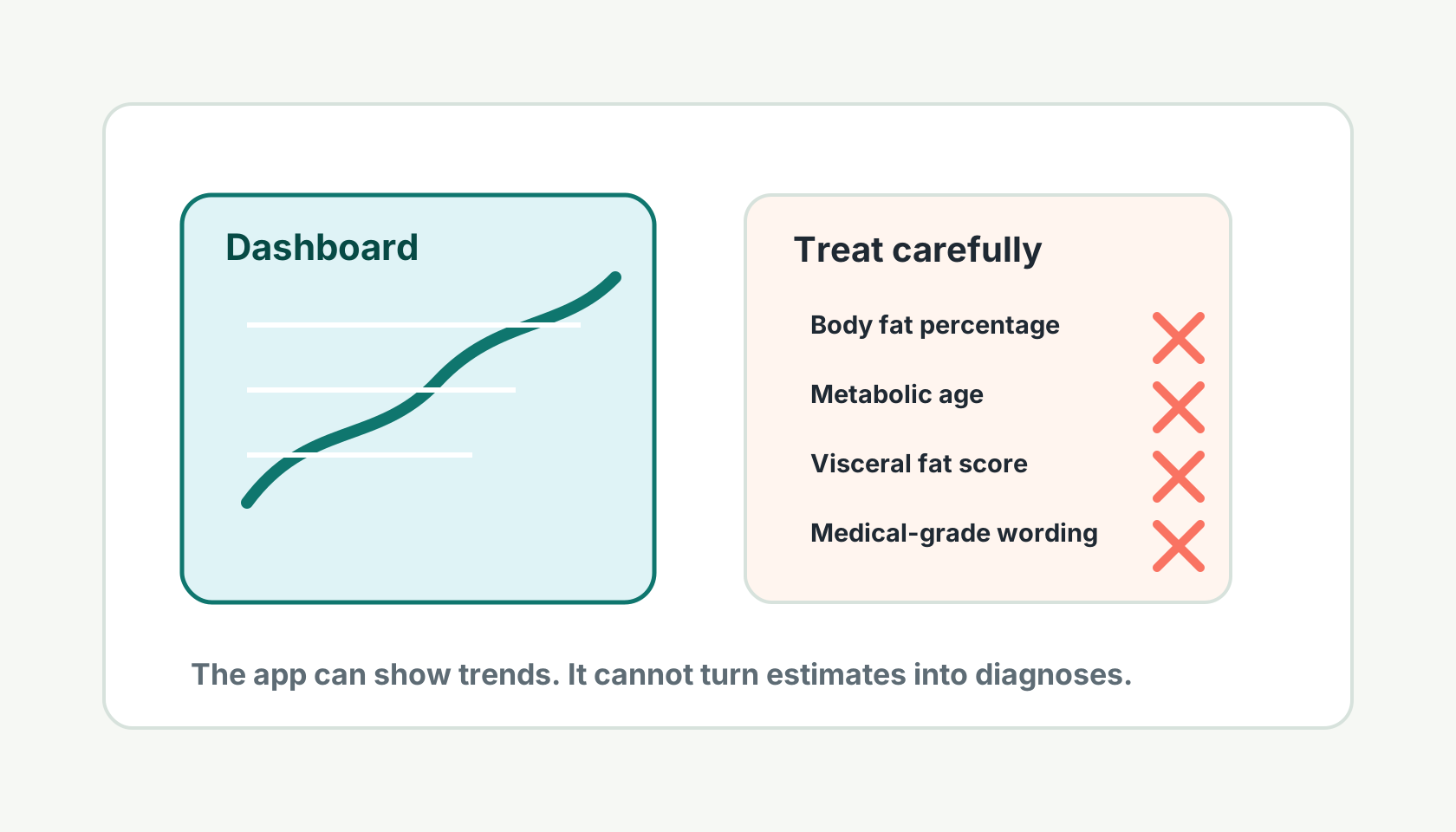
A scale can help you notice weight trends over time. Some models also estimate body fat, muscle mass, water percentage, metabolic age, visceral fat, and other numbers. Those extras may look scientific, but shoppers should treat them as estimates, not medical measurements.
How We Would Screen a Smart Scale Listing
For this kind of product category, the best first pass is a claim check. We look for clear measurement limits, plain privacy language, realistic app features, and marketing that does not promise fat loss, medical results, or body transformation.
1. Does the Listing Separate Weight From Body-Composition Estimates?
Body weight is the scale's core measurement. Body-composition numbers are usually estimates based on bioelectrical impedance analysis, which can vary with hydration, recent meals, exercise, skin temperature, and other ordinary conditions.
A more trustworthy listing explains that these numbers are estimates or trend tools. A weaker listing presents them as exact diagnostics.
2. Does It Promise Weight Loss?
A smart scale does not cause weight loss. It may support tracking, but it cannot guarantee behavior change, fat loss, appetite control, or better health outcomes.
Be cautious with phrases like “burn fat faster,” “transform your body,” “guaranteed results,” or “medical-grade weight loss tracking” unless the claim is backed by competent evidence and explained in context.
3. Are The App Features Actually Useful?
Useful app features are boring in a good way: trend graphs, multiple user profiles, unit switching, export options, and clear syncing controls. Less useful features are often dressed up as motivation, rankings, or vague “wellness scores” without explaining what the score means.
If the app requires an account, check whether the listing or manufacturer explains what data is collected and how it can be deleted.
4. Does The Scale Fit The Household?
Before comparing advanced metrics, check basic fit: maximum weight capacity, platform size, readability of the display, battery type, phone compatibility, and whether multiple people can use it without mixing profiles.
For some households, a simple digital scale with a clear display may be a better choice than a connected model.
5. Are Health Conditions Mentioned Carefully?
Some smart scales use a small electrical signal for body-composition estimates. Product listings should be careful around users with implanted medical devices, pregnancy, or medical conditions where body-composition tracking may need professional guidance.
If you have a pacemaker, implanted device, pregnancy-related concern, eating disorder history, or a medical reason to monitor weight closely, talk with a qualified healthcare professional before relying on a smart scale or body-composition feature.
6. Does The Listing Avoid Shame-Based Motivation?
Good tracking tools help people observe patterns. They should not shame people into daily weigh-ins, extreme restriction, or panic over normal fluctuations.
Normal body weight can move from day to day. A scale that pushes guilt, streak pressure, or urgent fat-loss language is not automatically a better tool.
7. Is The Privacy Policy Easy To Find?
Smart scales can collect sensitive health-adjacent information. A cautious buyer should look for a privacy policy before purchase, especially if the scale syncs with an app.
Look for plain answers to these questions: What data is collected? Is it shared with advertisers or third parties? Can you delete your account? Can the scale work without cloud syncing?
8. Are The Metrics Explained In Plain Language?
More numbers do not always mean better insight. If a listing includes muscle mass, bone mass, metabolic age, body water, or visceral fat estimates, it should explain what those numbers are, how they are estimated, and what their limitations are.
A red flag is a long metric list with no explanation beyond “advanced health analysis.”
9. Is The Product Positioned As A Tool, Not A Coach?
A scale can record measurements. It cannot replace medical care, nutrition counseling, mental health support, or a realistic plan for habits that fit your life.
If weight changes are sudden, unexplained, distressing, or tied to medication, illness, pregnancy, disordered eating, or other health concerns, a healthcare professional is the right next step.
Bottom Line
A smart scale may be worth considering if you want convenient trend tracking and you understand the limits of body-composition estimates. The safer buying approach is to ignore transformation promises, prioritize clear measurement limits, check privacy details, and choose features you will actually use.
The best scale is not the one with the longest metric list. It is the one that helps you track calmly, realistically, and without treating estimates as medical facts.