A walking pad can look like an easy answer when you want to move more but do not have the time, weather, space, or confidence for a full gym routine. The problem is that many product pages frame under-desk walking as a shortcut to major weight loss. That is not a promise a buyer should rely on.
A better question is simpler: would this device help you add low-friction movement to days when you otherwise sit for long stretches? If yes, a walking pad may be worth considering. If no, it may become another bulky reminder of a plan that was too hard to repeat.
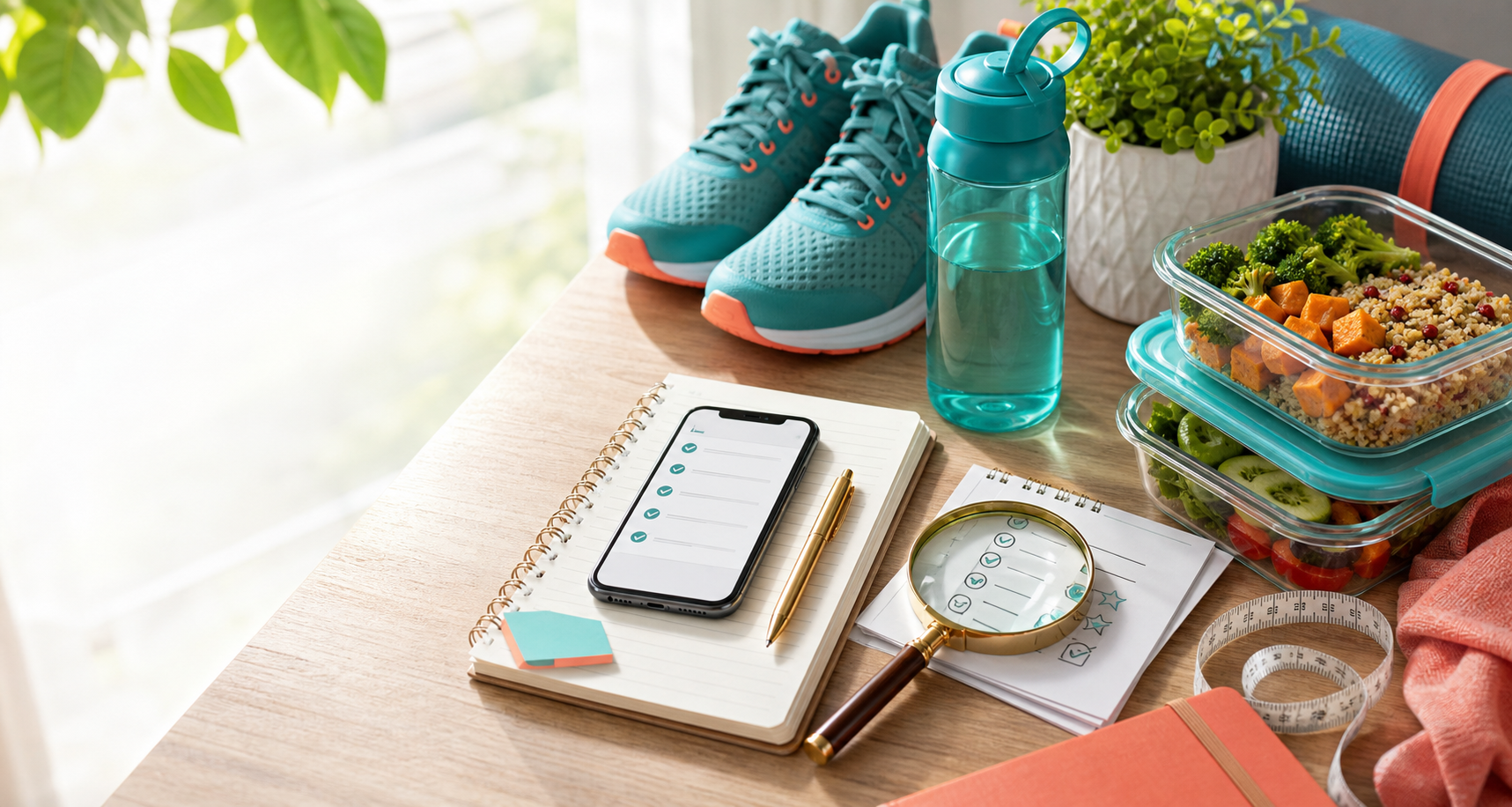
For a broader comparison of practical products that support habits without promising fat loss, start with the routine-support tools guide.
What a walking pad can realistically help with
Walking pads are best understood as convenience tools. They can make light walking easier to fit into a workday, TV routine, or short indoor break. That can support a broader habit plan, especially for people who struggle to leave the house consistently.
That is different from saying a walking pad causes weight loss. Body weight changes depend on many factors, including health conditions, medications, food intake, sleep, stress, mobility, and consistency over time. Treat any listing that implies fast fat loss from casual walking as a red flag.
Selection criteria that actually matter
Before comparing models, start with your real environment. A walking pad that is too loud, too heavy, too short, or annoying to store is less likely to become part of a routine.
1. Walking surface size
Check the belt length and width, not just the overall machine size. A narrow or short belt can feel awkward, especially for taller users or anyone with a longer stride. If you plan to walk while working, stability matters more than compactness.
2. Speed range
For under-desk use, very high top speed is usually less important than smooth low-speed control. Look for a range that supports slow walking without forcing you into a pace that disrupts typing, calls, or balance.
3. Weight capacity and frame design
Weight capacity is not a quality guarantee, but it is still an important fit check. Choose a product with a stated capacity comfortably above the intended user's needs. Also look for clear frame photos and dimensions instead of vague claims about being heavy duty.
4. Noise and vibration expectations
Listings often describe motors as quiet, but quiet is subjective. Apartment floors, old buildings, and shared workspaces can make vibration more noticeable. If noise matters, prioritize listings with clear return policies and avoid assuming marketing language will match your room.
5. Storage and moving effort
Some walking pads are technically portable but still awkward to move daily. Check product weight, wheel placement, folded height, and where you would actually store it. If setup takes too much effort, the habit may not survive.
Product-page claims to treat carefully
Be skeptical of listings that lean on dramatic body-transformation language, rapid calorie-burn promises, or before-and-after style claims. Calorie estimates on fitness devices and machines can vary widely and should not be treated as precise medical or nutrition data.
Also watch for listings that imply walking while working is effortless for everyone. Some people feel unsteady, distracted, or uncomfortable using a walking pad during focused tasks. That does not mean they failed; it means the product may not fit the way their body and workday operate.
Safety checks before you buy
A walking pad should have basic controls that are easy to reach, a clear stop function, and setup instructions that do not require guesswork. If you have balance concerns, joint pain, dizziness, heart symptoms, recent injuries, pregnancy-related concerns, or a medical condition that affects exercise tolerance, talk with a qualified healthcare professional before starting.
Use matters too. Start slowly, wear appropriate footwear if recommended by the manufacturer, keep the area clear, and avoid multitasking that makes you look away from your footing for too long.
Who may be better off skipping one
A walking pad is probably not the best first purchase if your main barrier is motivation rather than access. It also may not fit homes with limited floor clearance, thin walls, noise-sensitive neighbors, or no realistic storage spot.
If your budget is tight, a no-cost walking routine, standing breaks, short outdoor loops, or a simple step goal may be a more practical first experiment. The best tool is the one you can repeat without resentment.
Bottom line
A walking pad can be useful when it solves a specific problem: making light movement easier to repeat. It should not be bought because a listing suggests quick weight loss, effortless fat burning, or a guaranteed transformation.
Look for fit, stability, realistic storage, clear controls, and honest expectations. If the product supports a routine you can actually live with, it may earn its space. If it depends on hype to feel compelling, keep shopping or skip it.