GoodWeighFinds is for general information only and is not medical advice. Readers should talk with a qualified healthcare professional before starting weight-loss products, supplements, diets, or exercise changes.
Buying guide
Best Step Counters for Walking Habits Without Weight-Loss Hype
A step counter can be a low-friction prompt to notice walking, movement breaks, or errands. It should not be sold as proof that weight loss will happen, a calorie-burn guarantee, or a reason to ignore pain, fatigue, accessibility needs, or medical guidance.
Who this guide is for
This guide is for adults comparing pedometers, simple watches, phone-based counters, or low-pressure reminders for walking habits. It is not a personalized exercise plan, and it does not rank products by promised fat loss. The useful question is narrower: which tracking format helps you notice movement without adding pressure, privacy tradeoffs, or unrealistic claims?
If you are comparing broader tools, start with the routine-support tools guide. For non-shaming tracking formats beyond steps, the non-shaming habit tracker guide covers journals, boards, and simple reminder systems.
Best step-counter formats to compare
There is no single best step counter for everyone. The better fit depends on how much data you want, whether you want an app, how you carry devices, and whether streaks or daily targets feel supportive or stressful.
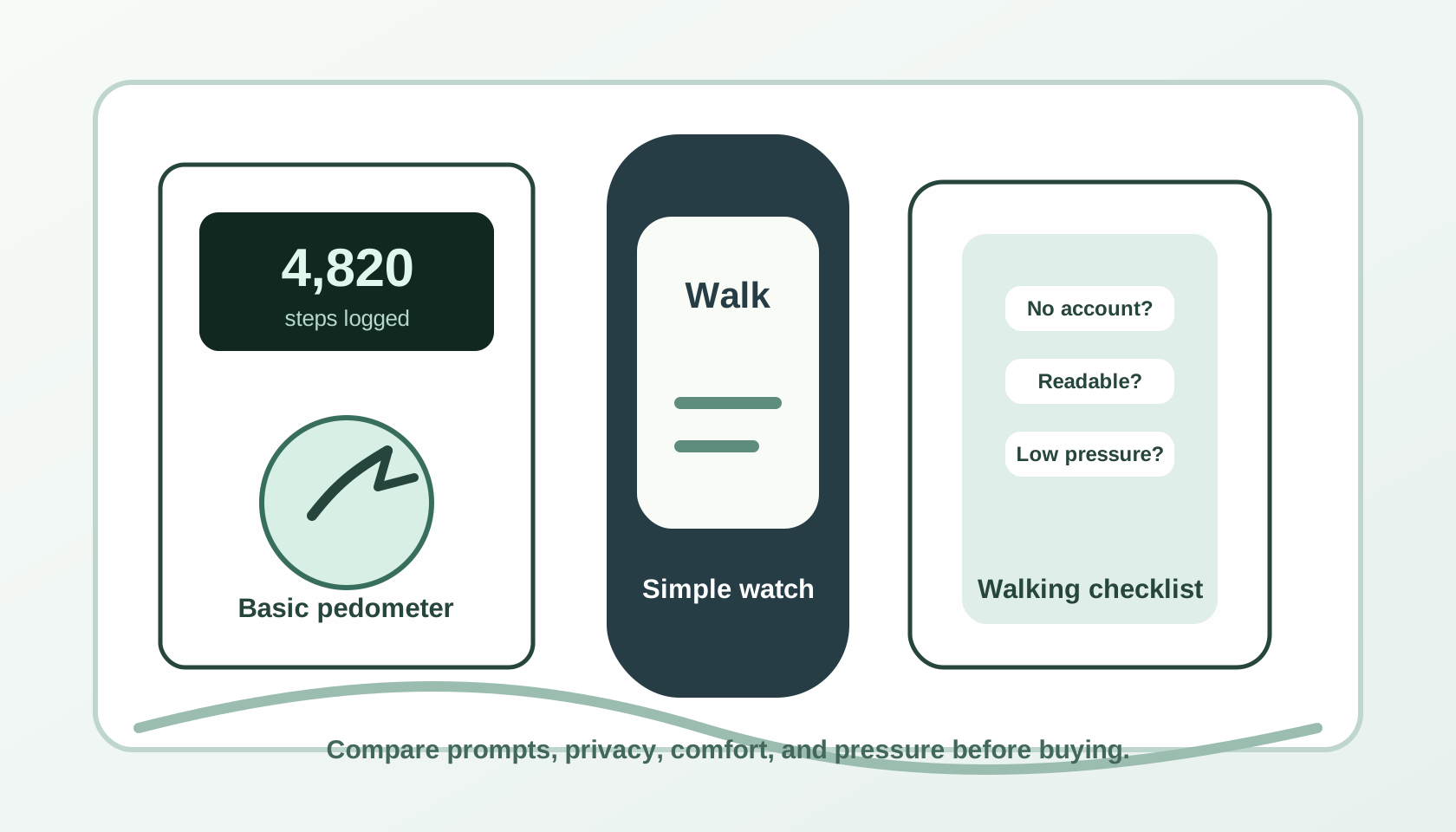
- Basic clip-on pedometers: Good for readers who want a simple number without phone syncing, subscriptions, notifications, or app accounts.
- Simple watches: Useful when a wrist display is easier to check than a pocket device, but compare battery life, screen readability, and whether an app is required.
- Phone-based tracking: Convenient if you already carry a phone, but less useful if the phone stays on a desk, in a bag, or away from you during parts of the day.
- Low-pressure reminder tools: Timers, calendars, or habit trackers may be enough if you care more about movement breaks than exact step counts.
Selection criteria that matter
Step-count listings often focus on big numbers, calorie estimates, challenges, or transformation language. A calmer comparison starts with practical fit.
- Tracking method: Check whether the device counts from hip movement, wrist movement, phone motion, GPS, or a companion app. Each method has limits.
- Readability: Look for large digits, clear contrast, simple buttons, and a screen you can read in the places you actually walk.
- App requirement: Decide whether you are comfortable creating an account, syncing health data, and accepting notifications before buying.
- Battery and charging: A device that dies often can turn a low-friction habit into one more thing to manage.
- Comfort and carry style: A clip-on counter, wrist device, or phone tracker should fit your clothes, mobility needs, workday, and walking surfaces.
- Pressure controls: Prefer tools that let you adjust, hide, or ignore streaks, calorie estimates, badges, and aggressive reminders.
Do not treat step counts as a medical score
A consumer step counter estimates movement. It does not measure fitness, diagnose health, prove a routine is working, or tell you how much exercise is right for your body. Step counts can also miss certain activities, overcount arm movement, undercount assisted movement, and vary across devices.
Be especially careful with listings that connect step goals to guaranteed weight-loss results, calorie-burn promises, body-transformation claims, or "no excuses" language. Those claims are bigger than the tool. If walking causes pain, dizziness, shortness of breath beyond your usual experience, falls, or other concerning symptoms, stop and talk with a qualified healthcare professional.
Privacy and app tradeoffs
Many watches and phone apps collect more than a daily step total. Before choosing a connected tracker, check what data is collected, whether location is used, whether the app shares data with third parties, and whether the tool works without an ongoing account or subscription.
A basic pedometer can be a better fit when privacy matters more than charts. A phone tracker may be enough when you already trust the app settings and do not need another device. A watch may be worth it if glanceable reminders help, but only if the notifications do not make the routine feel punitive.
Who should skip a step counter
Skip the purchase if tracking numbers makes you anxious, competitive in a harmful way, or tempted to ignore rest, hunger, pain, disability accommodations, or professional guidance. Also skip it if you are buying mainly because a product page promises fat loss, metabolism boosts, appetite control, or a specific body outcome.
For some readers, a comfortable pair of walking shoes, a safer walking route, or a calendar reminder may solve the real problem better than a counter. If footwear is the blocker, read the walking shoes guide before buying another tracker.
Comparison framework
Use this simple framework before clicking buy: first choose whether you want no app, optional app, or app-first tracking. Then check readability, battery, carry comfort, privacy, return policy, and pressure controls. Finally, read the listing for unsupported claims. A step counter should help you observe a walking habit, not sell you a guaranteed result.
Bottom line
The best step counter is the one you can use calmly, comfortably, and privately enough for your life. Basic pedometers, simple watches, phone trackers, and reminder tools can all work. Avoid any option that turns walking into shame, medical advice, or a promised weight-loss outcome.