Do Portion-Control Plates Help, or Are They Just Another Weight-Loss Gadget?
GoodWeighFinds is for general information only and is not medical advice. Readers should talk with a qualified healthcare professional before starting weight-loss products, supplements, diets, or exercise changes.
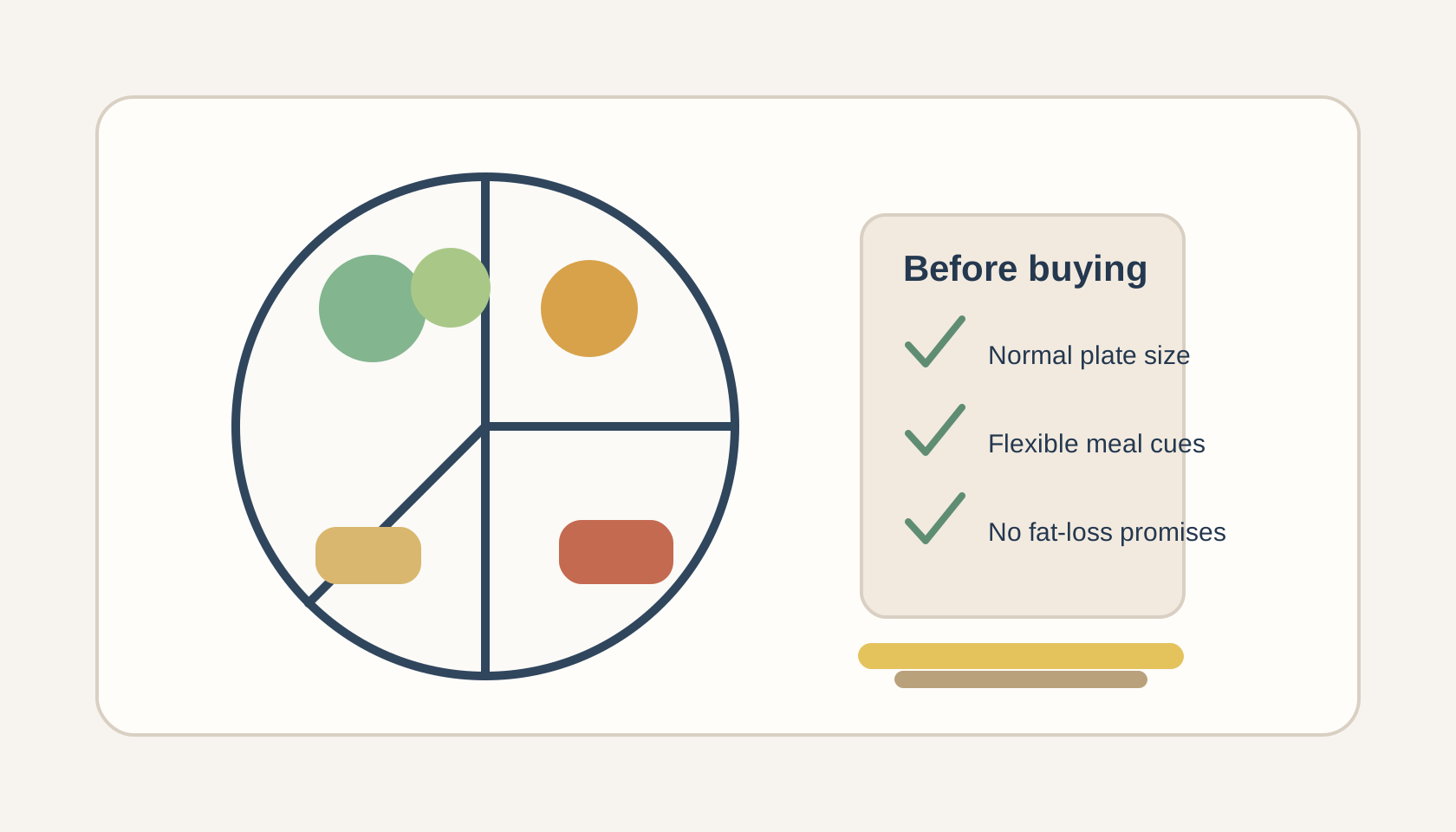
If you are trying to make meals feel less chaotic, a portion-control plate can look appealing. The idea is simple: the plate is divided into sections that remind you to leave room for vegetables, protein, and starches instead of guessing serving sizes every night.
That can be useful for some adults. But it is not magic, it does not cause weight loss by itself, and it should not be treated like a medical plan. The value is mostly behavioral: it makes one small decision easier at the moment you are serving food.
If you are comparing this with other low-pressure tools, the routine-support tools guide gives the broader buying framework. If storage and meal prep matter more than plate layout, compare it with the portion-control container guide.
What a Portion-Control Plate Can Realistically Do
A portion-control plate may help with meal structure. It gives a visual cue when you are tired, distracted, or cooking on autopilot. For someone who struggles with oversized servings, that cue can be more practical than repeatedly measuring food.
It may also help people notice patterns. If the vegetable section is empty most nights, that is useful information. If the protein section is always overloaded because meals are not satisfying, that is useful too.
What it cannot do is guarantee fat loss, replace medical nutrition guidance, or fix the bigger factors that affect eating habits, such as sleep, stress, budget, medications, food access, appetite changes, or health conditions.
Selection Criteria Worth Using
When comparing portion-control plates, focus on practical details instead of dramatic claims.
- Clear layout: The sections should be easy to understand at a glance.
- Normal plate size: Extremely small plates can feel punitive and may not support a sustainable routine.
- Dishwasher-safe material: If cleanup is annoying, the plate is less likely to become a real habit.
- Microwave guidance: Check the manufacturer instructions instead of assuming plastic or bamboo-style materials are heat-safe.
- No shame-based labeling: Plates that frame foods as “bad,” “cheat,” or “forbidden” are a poor fit for a balanced approach.
- Adult use case: Avoid products marketed mainly toward children unless that is the actual household need.
Red Flags in Product Listings
Be careful with listings that make the plate sound like a weight-loss treatment. A divided plate is a serving tool, not a metabolism tool.
- Promises of fast weight loss or guaranteed results
- Before-and-after imagery used as proof
- Claims that the plate “burns fat,” “shrinks appetite,” or “resets hormones”
- Listings that bundle the plate with restrictive diet rules
- Recurring subscription offers for basic meal-planning printouts or apps
- Pressure language like “doctor secret” without clear, verifiable context
Who Might Find One Useful
A portion-control plate may be helpful if you want a low-effort reminder at meals, prefer visual structure over tracking apps, or are trying to build a steadier dinner routine. It can also be useful in households where people serve themselves quickly and want a simple guide.
It may be less useful if you already eat balanced meals, dislike rigid visual rules, need a larger plate for medical or athletic nutrition reasons, or have a history of disordered eating. In those cases, a divided plate could feel more stressful than helpful.
A Better Way to Think About the Purchase
Do not ask, “Will this plate make me lose weight?” A better question is, “Will this make one meal decision easier without making eating feel worse?”
If the answer is yes, a simple, durable plate may be worth considering. If the listing is full of dramatic promises, skip it. The product should support a habit, not sell fear.
When to Talk With a Professional
If you have diabetes, kidney disease, a history of eating disorders, are pregnant, take medications that affect appetite or weight, or have been advised to follow a specific eating plan, talk with a qualified healthcare professional before using portion rules as guidance.
For everyone else, a portion-control plate is best viewed as a modest tool: potentially useful, easy to overhype, and only one part of a much bigger picture.