GoodWeighFinds is for general information only and is not medical advice. Readers should talk with a qualified healthcare professional before starting weight-loss products, supplements, diets, or exercise changes.
Buying guide
Best Portion Plates for Adults Who Want Simple Visual Cues
A portion plate can make serving a meal a little more visual, but it cannot choose the right eating plan for your body, guarantee weight loss, or replace medical nutrition guidance. The useful buying question is narrower: which plate gives calm, adult-appropriate cues without making meals feel punitive?
Who this guide is for
This guide is for adults who already understand the limits of portion plates and still want a practical way to compare options. It is best for readers who want a quiet visual reminder at meals, not a diet system, weight-loss promise, or strict portion rule.
If you are still deciding whether this category makes sense, read the portion-control plate claim check first. For a broader look at low-pressure products, the routine-support tools guide explains how to compare tools without fat-loss promises.
Best fit categories, not product rankings
GoodWeighFinds has not tested specific portion plates hands-on for this page, and this is not a ranked review list. Use these best-fit categories to screen product listings, avoid overhyped claims, and choose a plate that fits your actual meals.
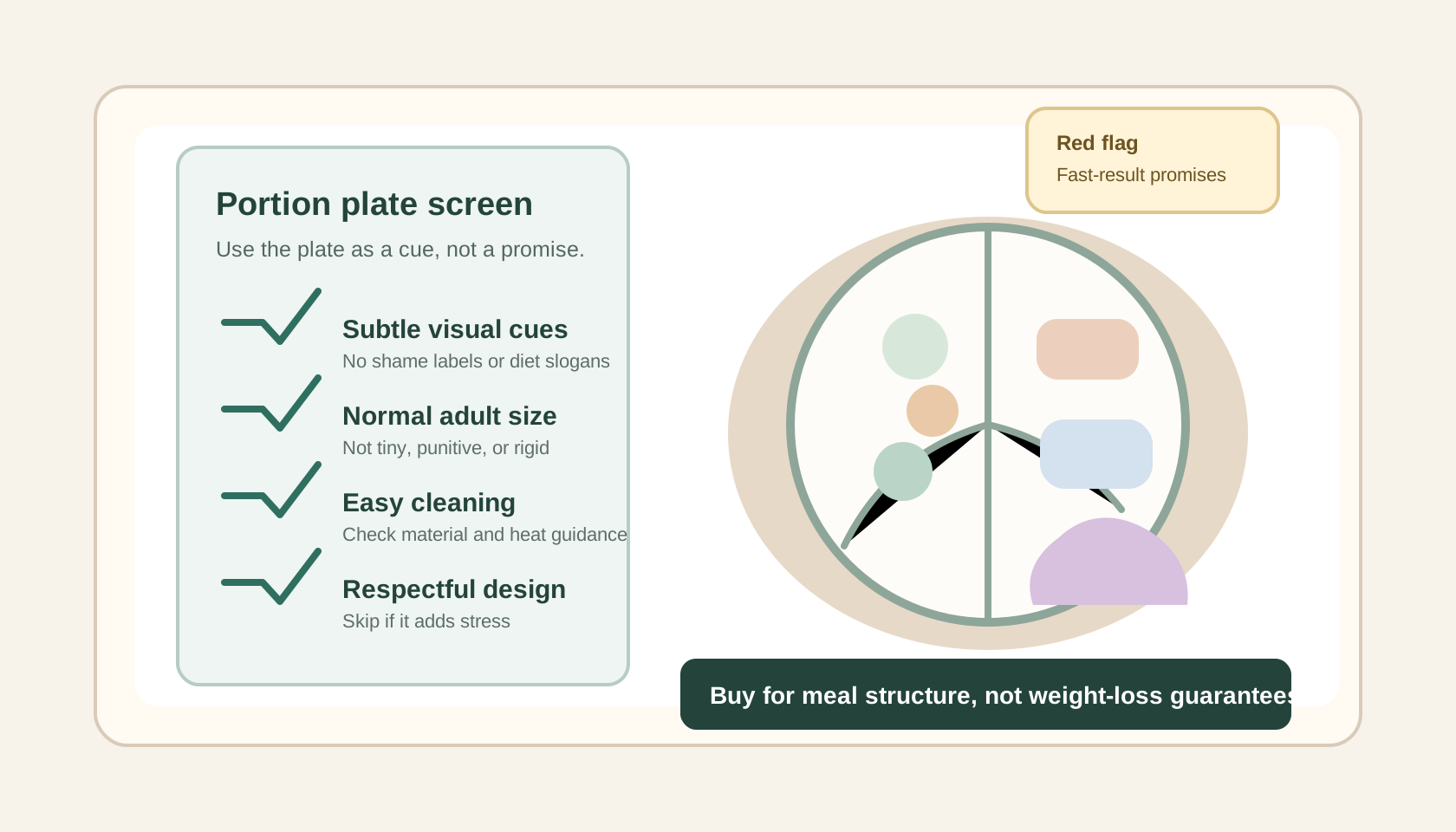
- Best for subtle cues: A plate with lightly divided sections, understated lines, or simple proportions instead of loud diet slogans.
- Best for everyday dinners: A normal adult plate size that works with the meals you already cook, rather than a tiny plate that makes dinner feel like restriction.
- Best for easy cleanup: Smooth, dishwasher-labeled material with shallow dividers that do not trap sauce, grains, or residue.
- Best for shared kitchens: Durable plates that stack well, look like normal dinnerware, and do not announce anyone's eating goals at the table.
- Best for flexible routines: Plates that support awareness without calorie math, rigid meal plans, forbidden-food labels, or before-and-after messaging.
Selection criteria that actually matter
Portion plates can look similar in photos. The differences that matter are the ones you will notice at dinner, in the dishwasher, and when the plate has to fit normal food.
- Adult-appropriate design: Avoid childish graphics, shame-based labels, or plates that divide foods into moral categories.
- Plate diameter: Check the listed size. A very small plate may feel restrictive, while a very large plate may make the visual cue less useful.
- Section depth: Raised dividers can be helpful for some meals, but shallow visual lines are easier for mixed dishes, salads, or flexible serving styles.
- Material and heat guidance: Confirm manufacturer labeling for dishwasher, microwave, oven, or freezer use instead of assuming plastic, melamine, bamboo, ceramic, or glass behaves the same.
- Storage fit: Thick dividers, unusual shapes, and bulky rims can make plates harder to stack in a small cabinet.
- Return policy: A plate can look respectful online and feel uncomfortable in person. Check returns before buying a full set.
Comparison framework
Before buying, run the plate through a real-use test instead of a weight-loss promise test.
- Would this plate still be useful if it caused no change in weight?
- Does the listing describe serving cues, or does it promise fast body changes?
- Can it handle the foods you actually eat, including mixed meals?
- Will the design feel respectful at the table?
- Can you clean and store it without making the routine harder?
- Is the product useful as a single plate, or is the listing pushing an oversized bundle you do not need?
Portion plates versus containers and measuring tools
A portion plate is most useful at the moment you serve food. Meal-prep containers are more useful when you pack lunches, store leftovers, or plan freezer meals. Measuring cups, spoons, and food scales are more precise, but they can also add pressure if exact tracking is not a good fit.
If the problem is weekday packing, compare meal-prep containers instead. If you want recipe consistency more than a divided plate, the measuring cups and spoons guide may be a calmer match.
Weight-loss claim red flags
Be cautious when an ordinary plate is marketed like a body-transformation product. A divided plate can provide visual structure. It cannot burn fat, reset appetite, diagnose portion needs, or prove a meal plan is right for you.
- Skip listings that promise fast weight loss, guaranteed results, or before-and-after outcomes.
- Be wary of plates bundled with detox plans, appetite-suppression products, stimulant powders, patches, or GLP-1 alternative language.
- Avoid products that label foods as forbidden, bad, cheating, or punishment.
- Slow down if the seller uses medical-looking authority without clear, verifiable context.
Who should skip this purchase
Skip a portion plate if visual portion cues make eating feel stressful, rigid, embarrassing, or compulsive. Also skip it if you already have normal plates that work well, if mixed meals are common in your household, or if the product page leans on shame to create urgency.
If you have a history of disordered eating, are pregnant, have diabetes, kidney disease, digestive conditions, appetite changes from medication, or have been given a specific eating plan, talk with a qualified healthcare professional before using portion rules as guidance. If you need personal nutrition targets, an Amazon listing is not the place to get them.
Bottom line
The best portion plates for adults are calm, practical, and easy to ignore when they are not useful. Look for normal sizing, subtle visual cues, durable material, simple cleaning, and respectful design. Avoid any plate sold as a shortcut to weight-loss results.